How to Verify Pashmina Authenticity: The Complete Testing Guide
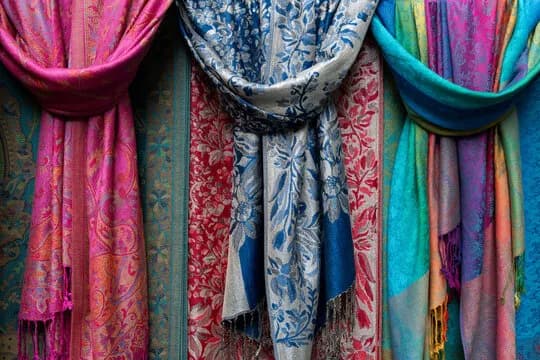
Pashmina is Nepal's most valuable textile export, and it is also one of the most counterfeited products in the world. Genuine pashmina comes from the fine undercoat of the chyangra, the Himalayan mountain goat, and it commands a premium for a reason. Yet the market is full of blends that claim to be pashmina while quietly substituting acrylic, low-grade wool, or recycled material. Buyers who skip verification often learn this the hard way. Here is exactly how we verify authenticity before an order ships.
The only definitive test is laboratory fibre analysis. A small sample is examined under a microscope and run through a fibre identification process that measures the average fibre diameter. True pashmina (cashmere) fibres measure 12 to 16 microns. Anything consistently above that is wool, and anything synthetic fails outright. This is the test that settles disputes, because neither a burn test nor a hand-feel check is conclusive on its own.
The burn test is still a useful first screening and can be done right at the factory. Take a few fibres from a loose edge and burn them. Real animal fibre, whether pashmina, wool, or silk, smells like burning hair, chars into a brittle black bead that crumbles to powder, and stops burning once removed from the flame. Synthetics like acrylic melt, drip, and leave a hard plastic bead with a chemical smell. It is fast, free, and catches the most obvious fakes. It just cannot tell pashmina from ordinary wool, which is where lab testing comes in.
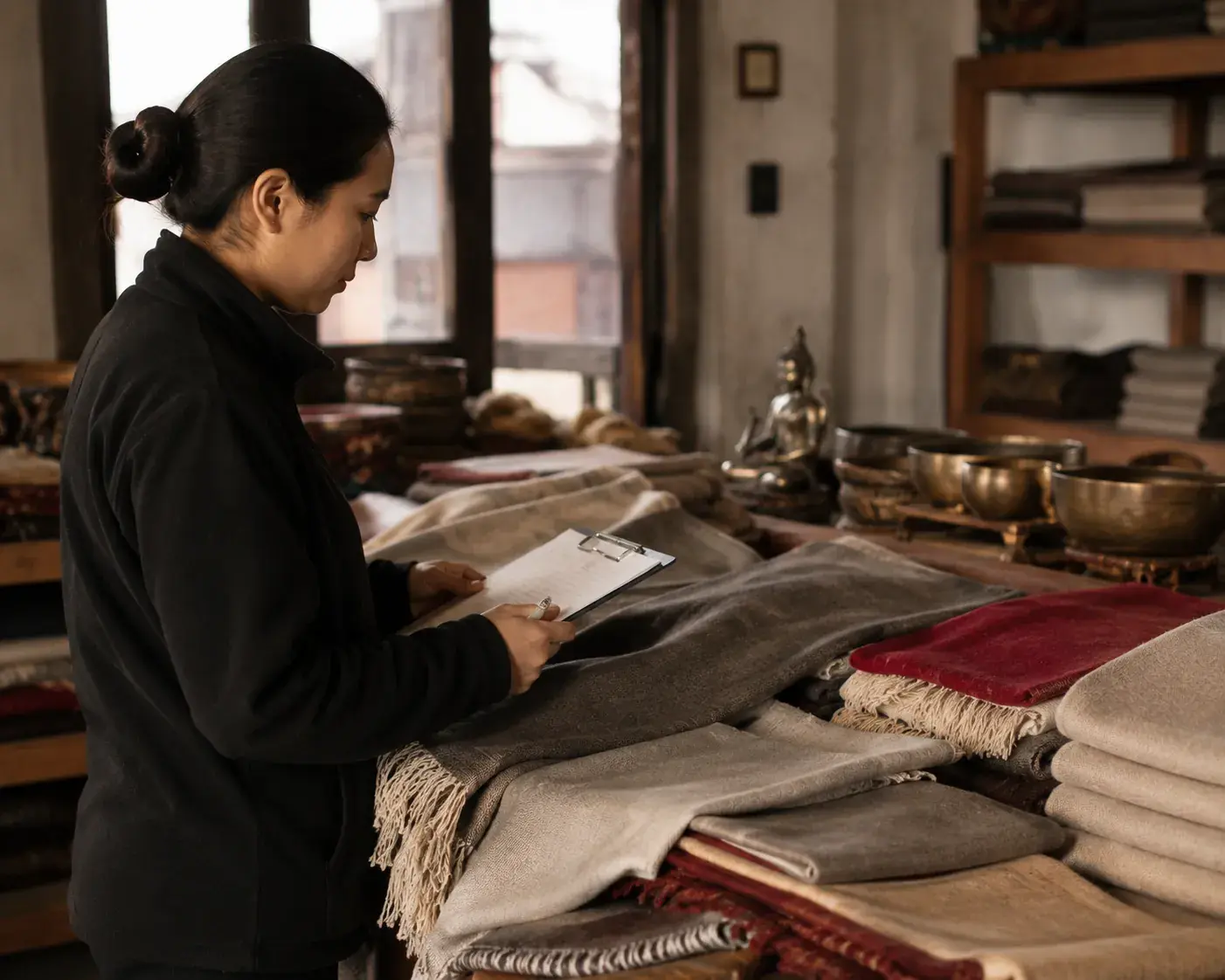
Weight consistency is the next check. A genuine pashmina scarf has a known weight range for its size and ply. If a "pashmina" shawl weighs far less than expected, it is likely a wool-silk blend or a lighter synthetic substitute. If it weighs more, it may be blended with coarser wool. Our inspection checklists include weighing a sample from the batch and comparing it against the specification your purchase order approved.
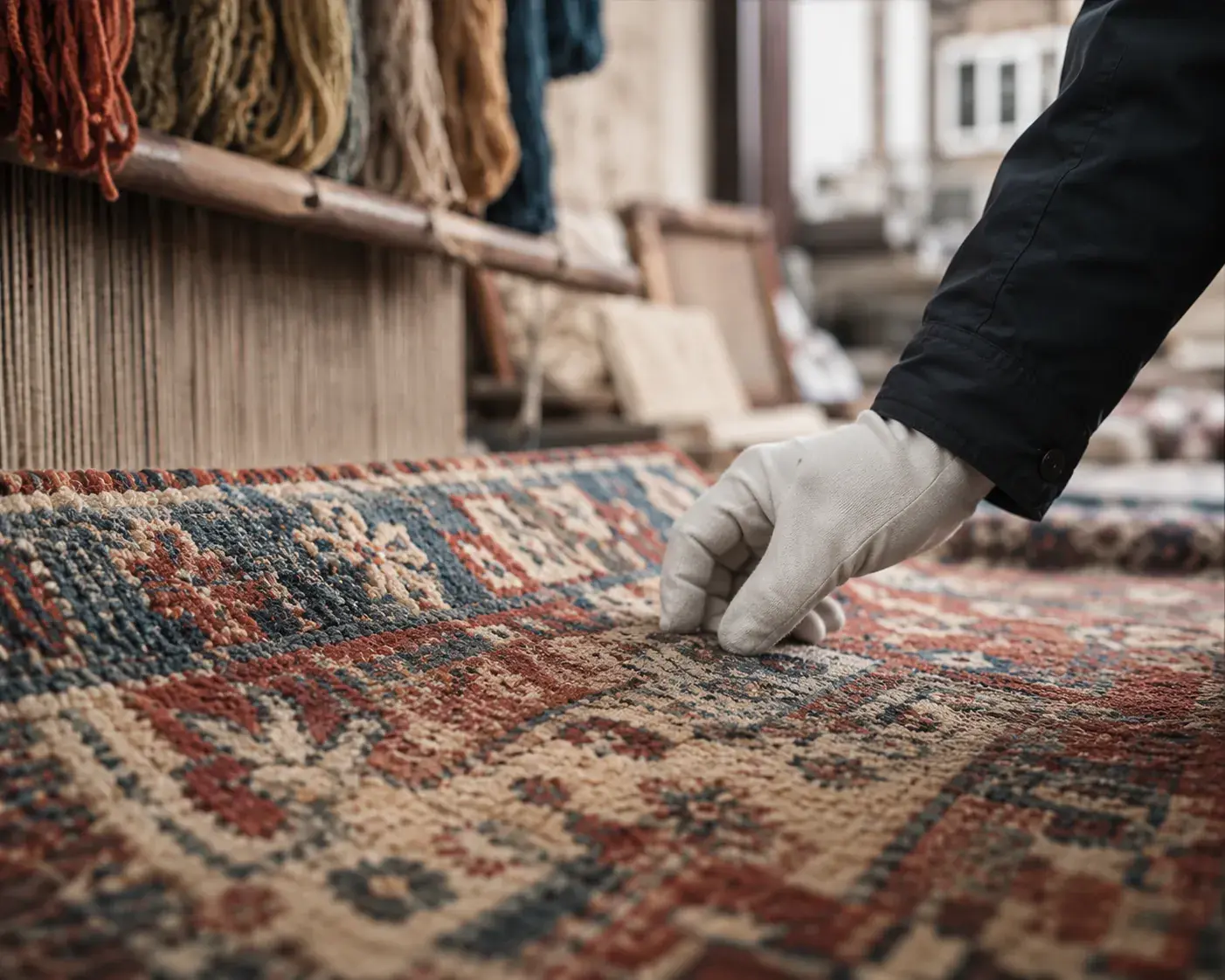
Workmanship inspection matters just as much as fibre. Handwoven pashmina has a soft, slightly irregular weave that machine-loomed fabric cannot replicate. The fringe should be hand-finished, the edges rolled evenly, and there should be no loose threads, skipped weaves, or inconsistent piling. Dye quality shows up here too. Check that colour is even across the piece, that it does not bleed under light pressure, and that there is no discolouration around the edges.
Selling a blend as pure pashmina is illegal misrepresentation in most importing countries, and it is the single biggest reason buyers get burned. If you import to the EU or US, the fibre content on the label must match the actual product. Customs and consumer-protection bodies do test, and fines for mislabelling are severe. An independent fibre test at the sample stage protects you before you commit to a bulk order.
The right time to test is the pre-production sample stage, before full production begins. We recommend buyers approve both the visual sample and a lab certificate before production starts. Then, at the pre-shipment inspection, we take random units from the finished batch, weigh and examine them, and if your specification requires it, send a representative sample to the lab for a second fibre analysis on the actual production run.
Not all "pashmina from Nepal" is what the label says. The chyangra goat is reared in the high Himalayas of Nepal, but much of the yarn sold as "Nepali pashmina" is actually imported Indian or Mongolian cashmere, or a wool-silk blend. That does not make it low quality. It does mean you should know exactly what you are buying and pricing. An inspector who knows the Nepali market will flag the difference and help you decide whether the product matches your buyers' expectations.
Finally, understand the grades. Pashmina ranges from 100% pure, the rarest and most expensive and usually blended with silk for strength, down to blends with varying wool and synthetic content. Know your target grade, put it in writing in your purchase order, and have the finished goods tested against that specification. "Pashmina" alone is not a specification. The fibre content and micron range are what matter.
If you are sourcing cashmere or pashmina from Nepal and want independent verification at any stage, whether sample testing, mid-production checks, or pre-shipment fibre analysis, Nepal Trade Solutions handles it end to end. We arrange accredited lab testing, perform on-site workmanship inspections, and document everything with photos so you have proof of what shipped. Download our Cashmere & Pashmina QC Manual to see the full inspection checklist we follow.
FREE DOWNLOAD
The Cashmere & Pashmina QC Manual
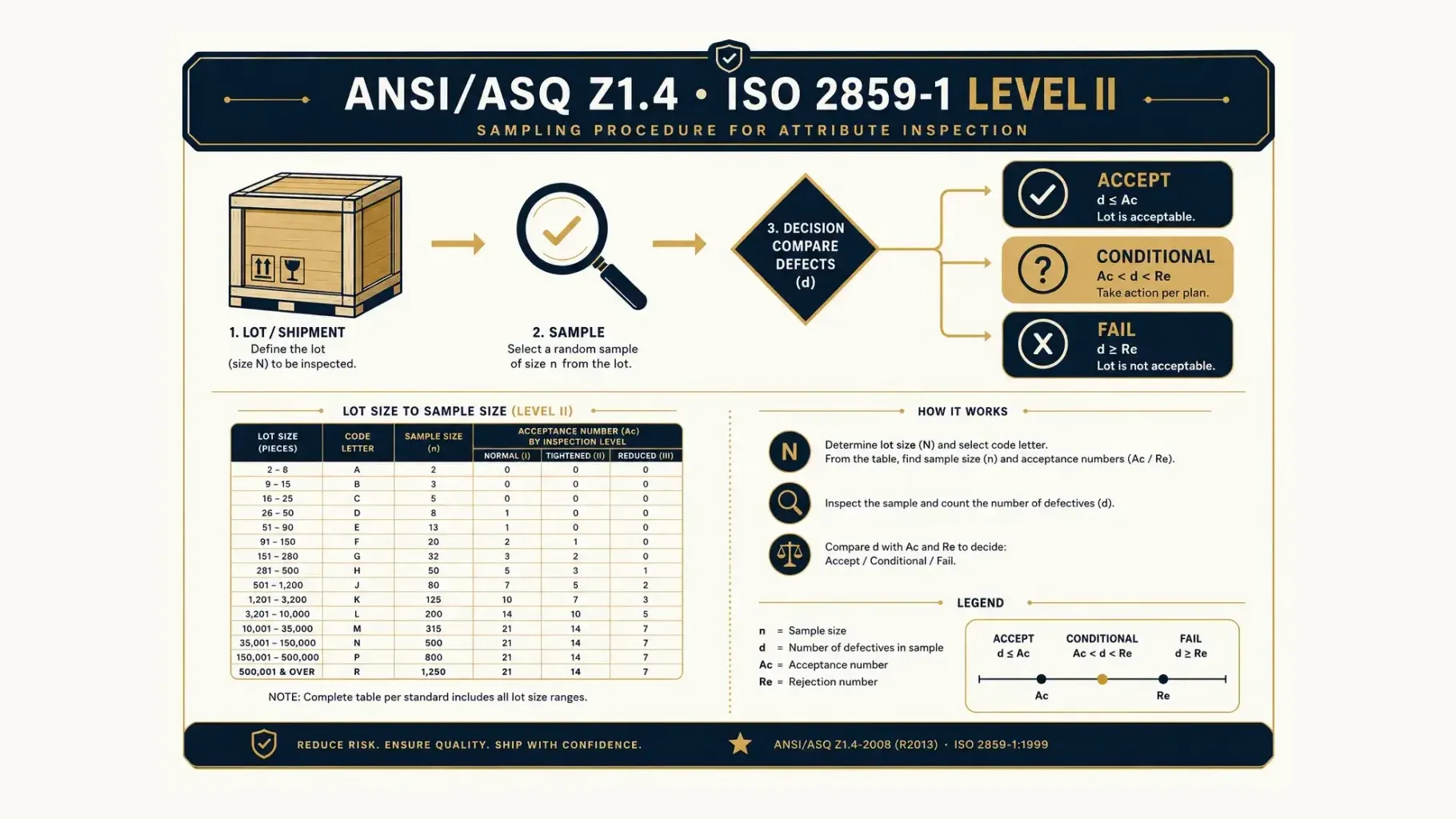
Our full inspection checklist, defect classification, AQL sampling plan, and testing protocols.
Tags