
Handmade Carpet Quality Inspection: What to Check Before You Buy
Handmade carpet is a high-value, high-risk purchase. A single order can represent tens of thousands of dollars, and quality varies enormously between Nepal's weaving workshops. The good news is that carpet quality is measurable. There are specific, inspectable properties that separate a fine hand-knotted piece from a production-grade rug. Evaluating a workshop before you commit is the best place to start. Here is what we check on every carpet inspection in Nepal.
Knot density (KPSI) is the first thing experienced buyers ask about. Knots per square inch, or per square metre as it is commonly quoted in Nepal, is the clearest single indicator of fineness and labour intensity. A 100 KPSI rug is fine and slow to weave. A 30 KPSI rug is coarse. The knot count has to be verified rather than assumed. We count knots in multiple sample areas across the rug, because density can vary between the centre and the edges.
Wool grade determines feel and durability. Nepali carpet wool ranges from local hill wool, which is coarser, hard-wearing, and more affordable, to high-grade New Zealand or Tibetan wool, which is finer, softer, and more expensive. The wool grade should match what you agreed in the purchase order. An inspection includes assessing fibre quality, checking for a high proportion of short or re-used fibres, and confirming the yarn is properly spun and twisted.
Dye type is both a quality and a safety issue. Good-quality carpet uses chromium-free, low-metal reactive or acid dyes that are colourfast. Cheap dyes, often used to cut costs, bleed, fade, or contain heavy metals that fail EU and US import testing. We perform a simple crocking (rub) test and a water-bleed test at the edge of the rug, and we can arrange lab testing for heavy metals and AZO dyes if your market requires it.
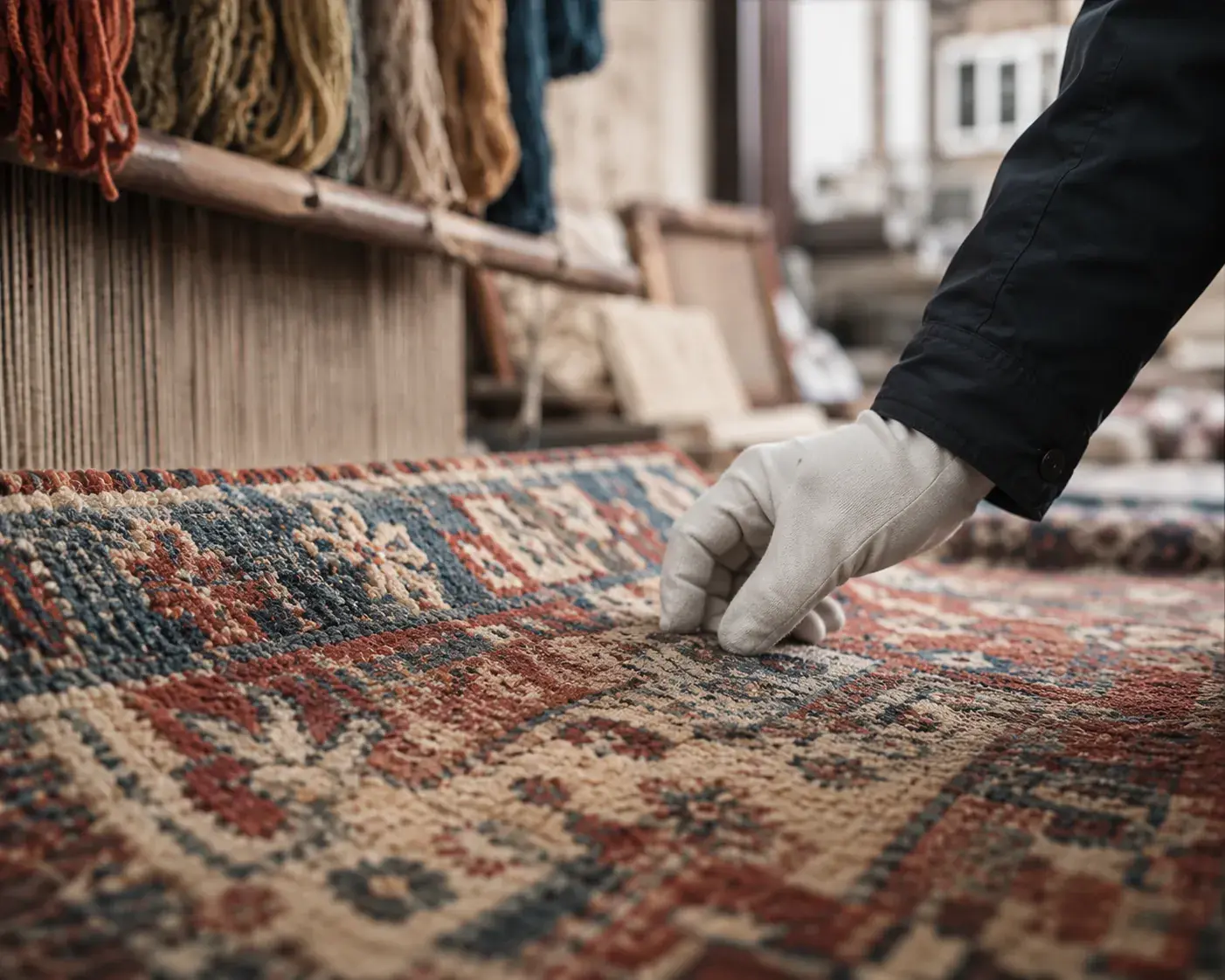
Backing and warp tension reveal how the rug was built. A good hand-knotted carpet has a tight, even warp. When you bend a corner back, the warp yarns should spring back and the knotting should stay dense. Loose or uneven warp tension causes rippling and premature wear. We check the selvedge, the side finishes, and the foundation at multiple points.
The finishing work is where many workshops cut corners. A premium handmade carpet has a hand-knotted selvedge, neatly overstitched edges, a hand-woven or canvas backing, and carefully trimmed pile of even height. Check the corners, because they should be square, not twisted or puffed. Check for repairs too. A common trick is re-tying cut knots or using filler to patch damaged areas, which inspection with good lighting and a hand mirror along the pile will reveal.
Measurement accuracy is a frequent dispute point. Handmade rugs rarely come out exactly to the millimetre, but they should be within a reasonable tolerance of the ordered size. We measure every carpet against the purchase order dimensions and record the actual size on the inspection report. This prevents the classic surprise of a rug that is smaller than ordered.
New carpets should be dry and free of odour. A strong chemical smell can indicate poor dyeing or finishing residues that will be hard to shift. We also check for stains, moth damage, and storage issues, because a carpet that sat in a damp warehouse may have mildew that only appears later.
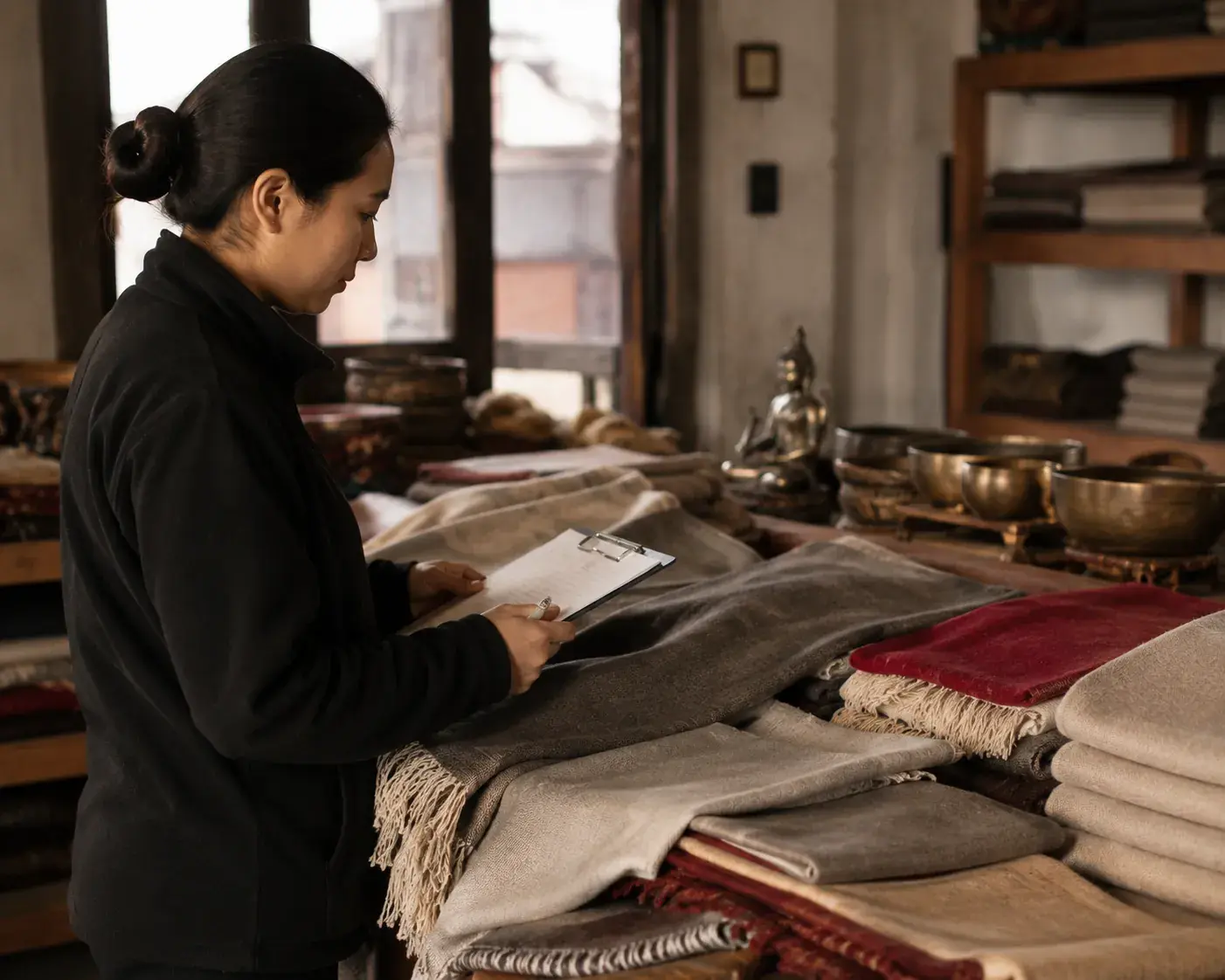
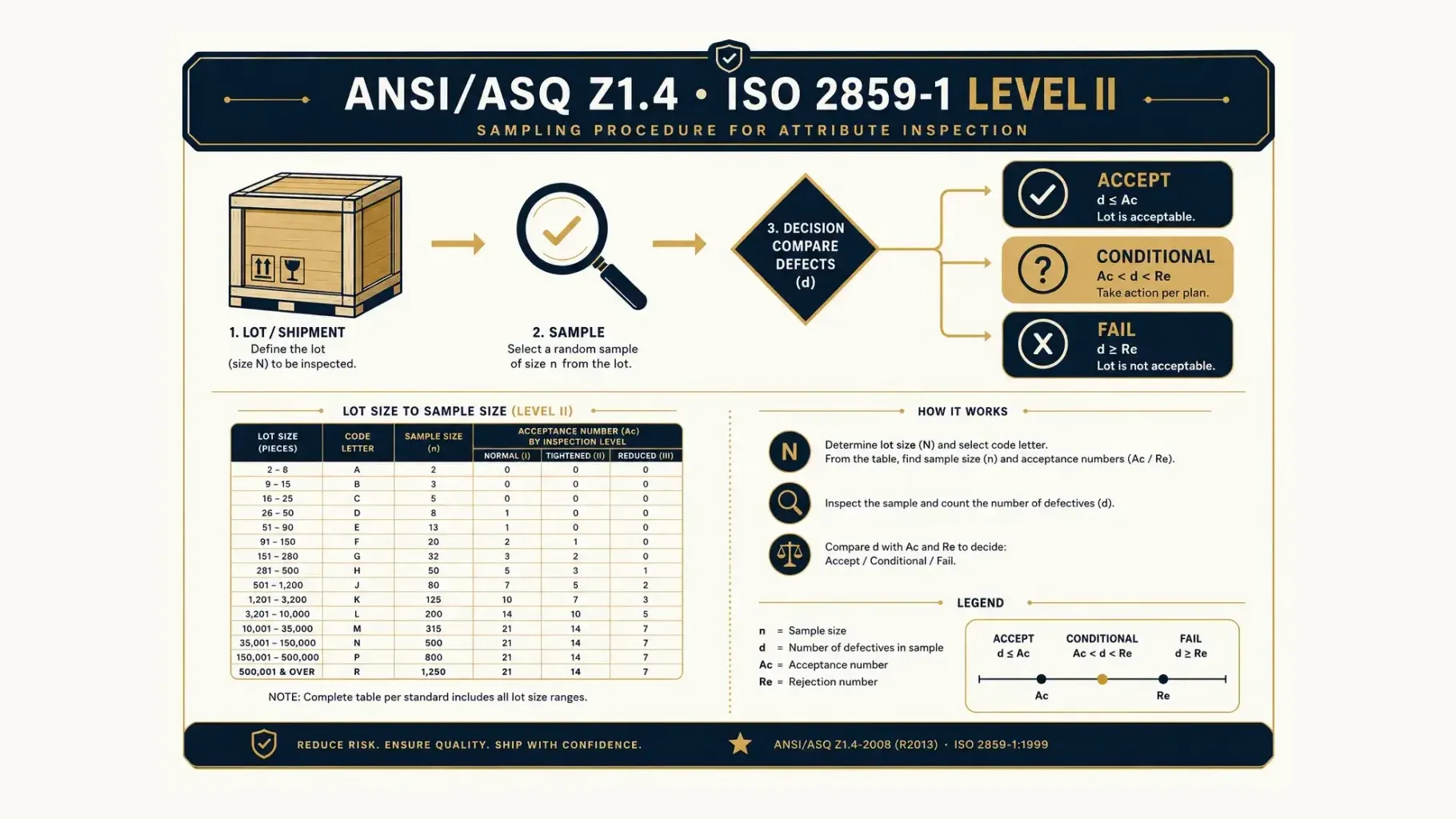
If you are importing handmade carpets from Nepal, protect the order with a clear specification. Knot density, wool grade, dye type, size tolerance, and finish requirements should be written into the purchase order, then verified against it at the pre-shipment stage. Our inspectors visit weaving workshops across Kathmandu and the Bagmati region, use AQL sampling, and deliver a photo-documented report within 24 hours. Our Carpets & Rugs QC Manual details every checkpoint in the process.
Whether you are sourcing a 20-piece run for a design project or containers of production-grade rugs, an independent inspection is the difference between shipping a problem and shipping a product. Nepal Trade Solutions has handled carpet quality control for international buyers since 2020. We know the workshops, the wool markets, and the defects to look for.
FREE DOWNLOAD
The Carpets & Rugs QC Manual
Our full inspection checklist, defect classification, AQL sampling plan, and testing protocols.
Tags