
Back to BlogQuality Control

What to Expect from a Pre-Shipment Inspection in Nepal
March 12, 2025 Nepal Trade Solutions
Pre-shipment inspection of finished and packed Nepali products before container loading

When you import handmade goods from Nepal, a pre-shipment inspection (PSI) is basically your last chance to catch problems before the container ships. Unlike factory audits or mid-production checks, a PSI looks at finished, packed product that is ready to leave. It matters most because it directly decides whether your order shows up the way you agreed. If you are new to the concept, start with our guide to how AQL works before reading on.

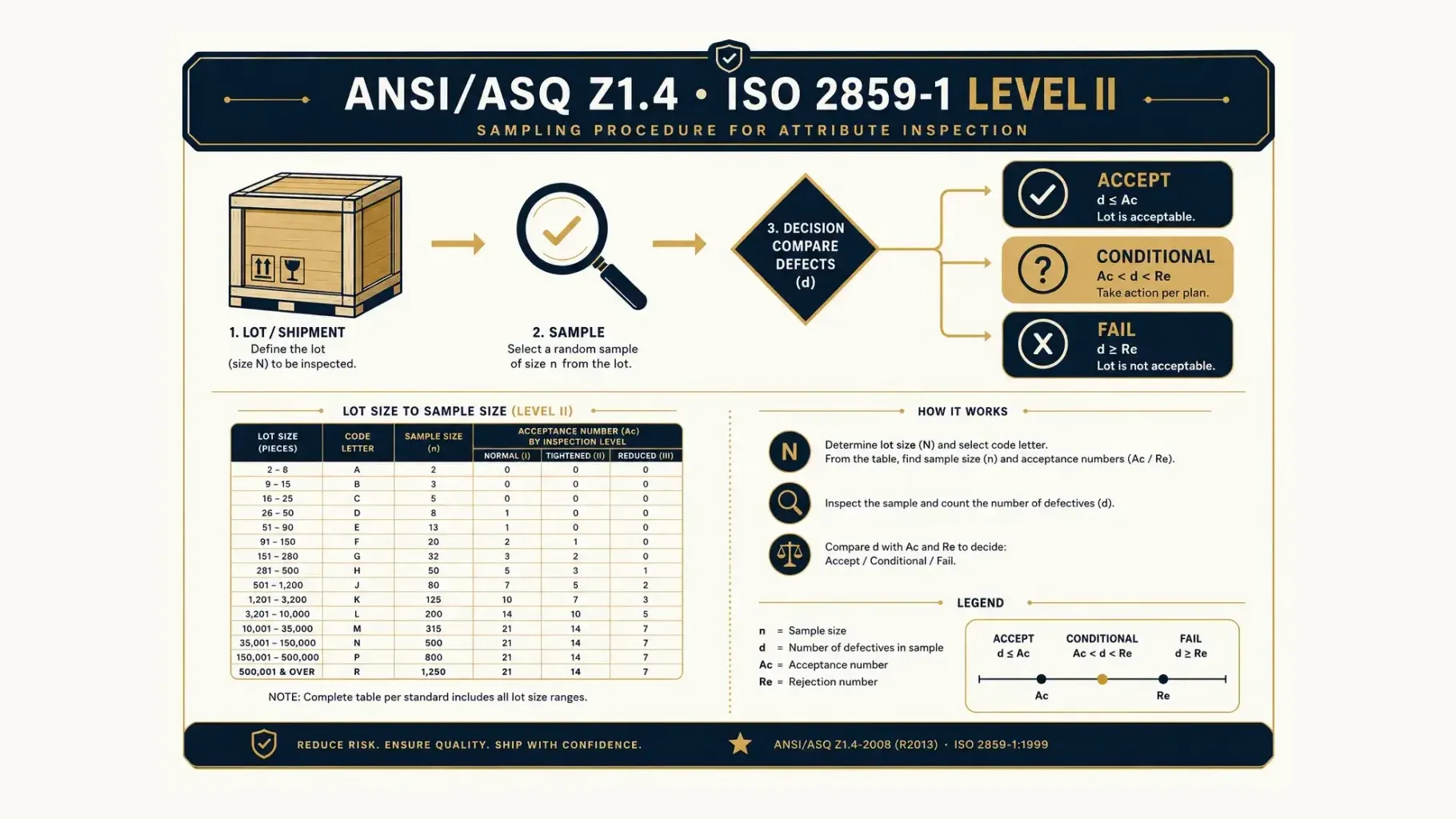
At Nepal Trade Solutions, we run PSI for buyers importing carpets, pashmina, felt, handicrafts, garments, and metal crafts from Nepal. Every inspection follows the ANSI/ASQ Z1.4 AQL standard, the same methodology SGS, Bureau Veritas, and QIMA use globally.

Book your PSI when production is about 80% done and packing has started. That way there is enough finished product for a solid sample, but still time to fix things if we find issues. Book too early and there is nothing to inspect. Book too late and the container might sail before problems get sorted.

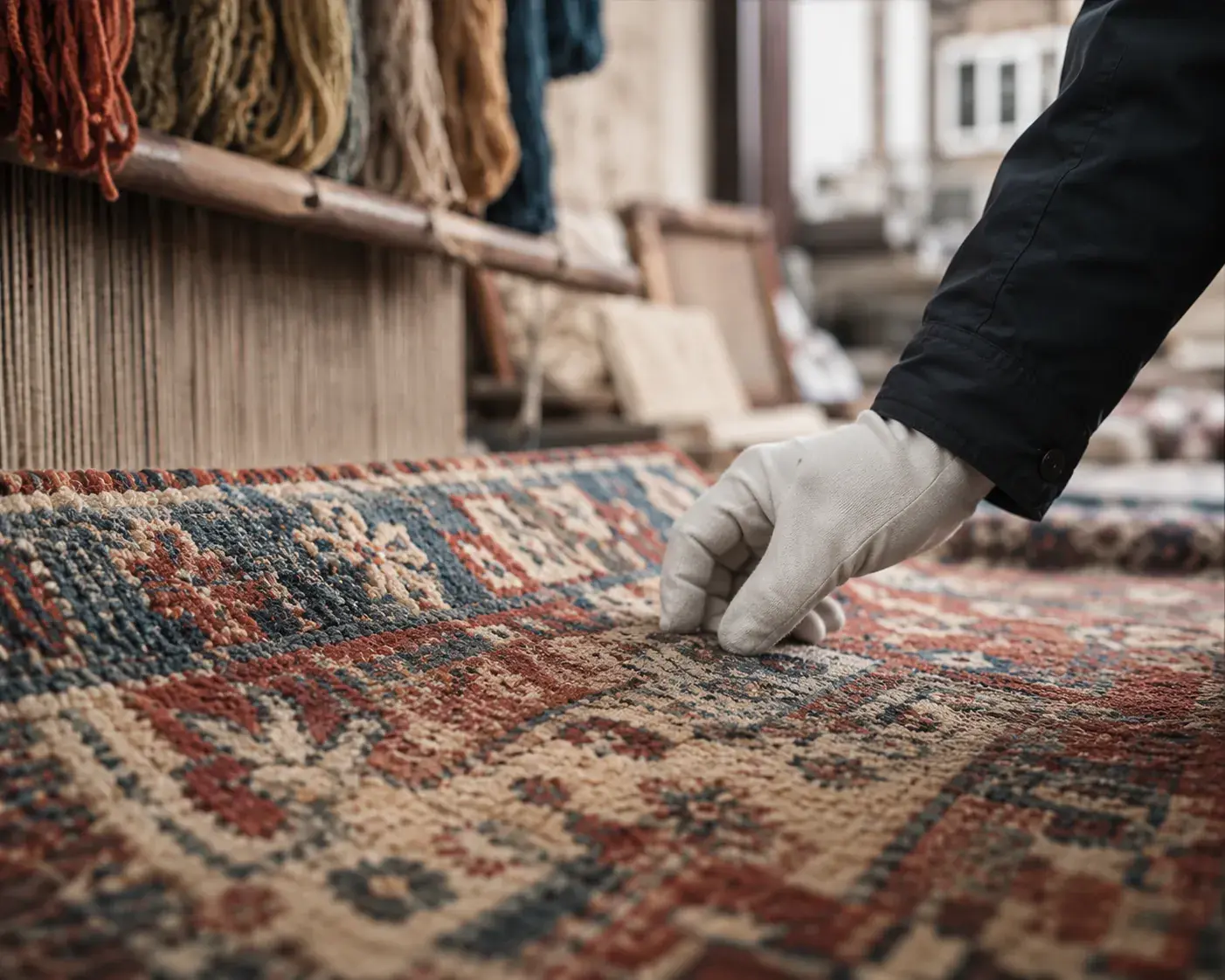
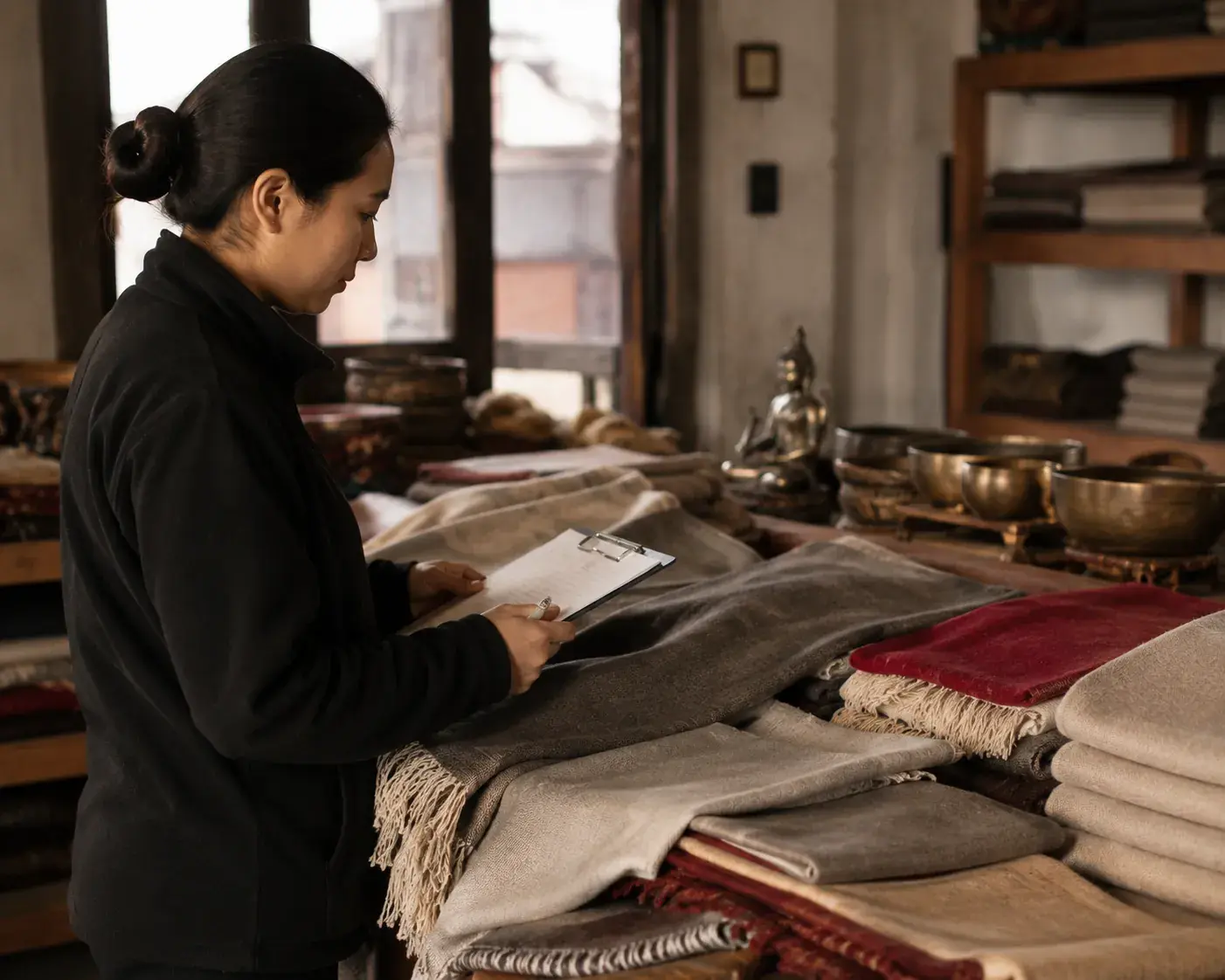
So what do we actually check during a PSI? Quantity against your purchase order, every sample unit for visual defects (major, minor, critical), dimensions, weight, and knot count for carpets. Dye consistency, colour accuracy, packaging strength, and labelling all get reviewed. And we document everything with 40 to 80 photos and videos.

The AQL sampling plan determines how many units are inspected based on your total order size. For most consumer goods, we recommend AQL 2.5, meaning up to 2.5% defective units are acceptable. For premium or high-value orders, AQL 1.5 provides a stricter threshold. Our inspectors apply the correct sampling size from the ANSI/ASQ Z1.4 tables automatically.

If your order fails the PSI, we provide a detailed report with photographs, defect codes, and specific corrective action recommendations. We coordinate with your supplier to address issues promptly. A re-inspection can be arranged at a reduced rate to verify that all problems have been resolved before shipment.

Your PSI report includes an executive summary with a Pass, Fail, or Conditional result, a full defect breakdown by category and severity, measurement results compared against your specifications, packaging and labelling assessment, and the inspector's signed certification. Reports are delivered within 24 hours of the inspection visit.

Nepal's manufacturing landscape is unique. Production happens in small family workshops where seasonal rhythms, material availability, and skill levels vary. A PSI from a Nepal-based team like NTS catches the product-specific issues, such as uneven knot density in carpets, incorrect ply in pashmina, or inconsistent dye lots in felt, that a generalist agency might miss. You can book a pre-shipment inspection directly or add a mid-production inspection for extra coverage.

Tags

pre-shipment inspection NepalPSI Nepalquality control Nepalcarpet inspection Nepalhandicraft quality assurance

Share this article

Skip to content
Back to BlogQuality Control

What to Expect from a Pre-Shipment Inspection in Nepal

March 12, 2025 Nepal Trade Solutions
Pre-shipment inspection of finished and packed Nepali products before container loading

When you import handmade goods from Nepal, a pre-shipment inspection (PSI) is basically your last chance to catch problems before the container ships. Unlike factory audits or mid-production checks, a PSI looks at finished, packed product that is ready to leave. It matters most because it directly decides whether your order shows up the way you agreed. If you are new to the concept, start with our guide to how AQL works before reading on.

At Nepal Trade Solutions, we run PSI for buyers importing carpets, pashmina, felt, handicrafts, garments, and metal crafts from Nepal. Every inspection follows the ANSI/ASQ Z1.4 AQL standard, the same methodology SGS, Bureau Veritas, and QIMA use globally.

Book your PSI when production is about 80% done and packing has started. That way there is enough finished product for a solid sample, but still time to fix things if we find issues. Book too early and there is nothing to inspect. Book too late and the container might sail before problems get sorted.

So what do we actually check during a PSI? Quantity against your purchase order, every sample unit for visual defects (major, minor, critical), dimensions, weight, and knot count for carpets. Dye consistency, colour accuracy, packaging strength, and labelling all get reviewed. And we document everything with 40 to 80 photos and videos.

The AQL sampling plan determines how many units are inspected based on your total order size. For most consumer goods, we recommend AQL 2.5, meaning up to 2.5% defective units are acceptable. For premium or high-value orders, AQL 1.5 provides a stricter threshold. Our inspectors apply the correct sampling size from the ANSI/ASQ Z1.4 tables automatically.

If your order fails the PSI, we provide a detailed report with photographs, defect codes, and specific corrective action recommendations. We coordinate with your supplier to address issues promptly. A re-inspection can be arranged at a reduced rate to verify that all problems have been resolved before shipment.

Your PSI report includes an executive summary with a Pass, Fail, or Conditional result, a full defect breakdown by category and severity, measurement results compared against your specifications, packaging and labelling assessment, and the inspector's signed certification. Reports are delivered within 24 hours of the inspection visit.

Nepal's manufacturing landscape is unique. Production happens in small family workshops where seasonal rhythms, material availability, and skill levels vary. A PSI from a Nepal-based team like NTS catches the product-specific issues, such as uneven knot density in carpets, incorrect ply in pashmina, or inconsistent dye lots in felt, that a generalist agency might miss. You can book a pre-shipment inspection directly or add a mid-production inspection for extra coverage.

Tags

pre-shipment inspection NepalPSI Nepalquality control Nepalcarpet inspection Nepalhandicraft quality assurance

Share this article