
Back to BlogSourcing

Nepal vs India: Where to Source Handmade Carpets?
January 5, 2025 Nepal Trade Solutions
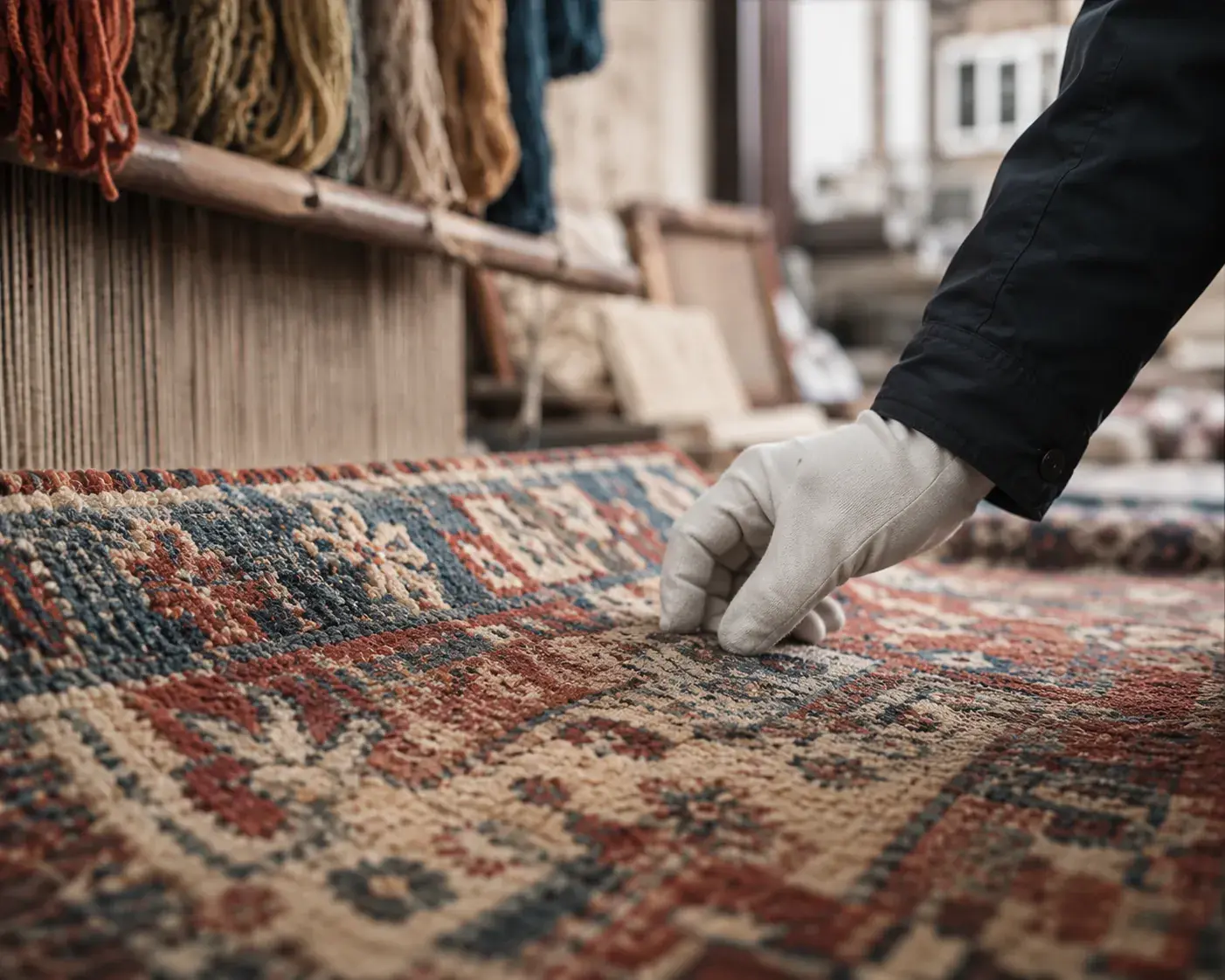
Handmade carpet comparison between Nepal and India

India and Nepal are the two biggest players in South Asian hand-knotted carpets, but the carpets they produce are pretty different. Which one is right for you depends on what you are after: product type, quality level, order size, and budget. Once you pick a direction, learning to evaluate a Kathmandu carpet factory is the natural next step. Here is how they stack up.

Nepal is known primarily for Tibetan-style hand-knotted wool and silk carpets with higher knot counts, typically 80 to 150 knots per square inch. Indian carpet production is more diversified, including Persian-style carpets, dhurries, tufted rugs, and machine-made options. If you need high-knot-count Tibetan-style carpets, Nepal is the stronger choice. For broader variety or lower-cost options, India may be preferable.

Nepali carpet factories tend to be smaller, family-run operations with concentrated expertise in a narrower product range. This often results in better consistency within a single order. Indian carpet production is larger-scale and more industrialised, which can mean greater variation between production runs. However, top-tier Indian manufacturers produce world-class quality across a wide range.

Indian carpet prices are generally 15 to 30% lower than equivalent-quality Nepali carpets, driven by larger scale, lower labour costs in some regions, and more established supply chains. Nepal competes on quality and uniqueness rather than price. For premium products where design, knot density, and finish matter more than cost, Nepali carpets offer strong value.

Indian manufacturers typically offer shorter lead times due to larger workforce capacity and more efficient supply chains. Nepal's smaller factories may require longer lead times, especially for large orders. We recommend allowing 8 to 12 weeks for standard Nepali carpet orders versus 6 to 10 weeks for Indian manufacturers.

This is where Nepal has a distinct advantage for buyers who prioritise rigorous quality assurance. Nepal's manufacturing is concentrated in Kathmandu Valley, making it possible for a local inspection team to visit multiple factories in a single day. A Nepal-based inspection partner can provide more frequent, lower-cost inspections than agencies that must fly in and out of India's dispersed manufacturing regions.

Both countries have child labour concerns in parts of the carpet industry. Nepal has made significant progress through initiatives like GoodWeave certification, which now covers a substantial portion of Nepal carpet production. When sourcing from either country, insist on certified factories and independent audits. Nepal Trade Solutions verifies GoodWeave and ethical compliance as part of every factory audit, which follows our Carpets & Rugs QC Manual.

FREE DOWNLOAD

The Carpets & Rugs QC Manual

Our full inspection checklist, defect classification, AQL sampling plan, and testing protocols.

Download QC Manual (PDF)

Tags

Nepal vs India carpetshandmade carpets Nepalcarpet sourcing NepalIndian vs Nepali rugscarpet quality comparison

Share this article

Skip to content
Back to BlogSourcing

Nepal vs India: Where to Source Handmade Carpets?

January 5, 2025 Nepal Trade Solutions
Handmade carpet comparison between Nepal and India

India and Nepal are the two biggest players in South Asian hand-knotted carpets, but the carpets they produce are pretty different. Which one is right for you depends on what you are after: product type, quality level, order size, and budget. Once you pick a direction, learning to evaluate a Kathmandu carpet factory is the natural next step. Here is how they stack up.

Nepal is known primarily for Tibetan-style hand-knotted wool and silk carpets with higher knot counts, typically 80 to 150 knots per square inch. Indian carpet production is more diversified, including Persian-style carpets, dhurries, tufted rugs, and machine-made options. If you need high-knot-count Tibetan-style carpets, Nepal is the stronger choice. For broader variety or lower-cost options, India may be preferable.

Nepali carpet factories tend to be smaller, family-run operations with concentrated expertise in a narrower product range. This often results in better consistency within a single order. Indian carpet production is larger-scale and more industrialised, which can mean greater variation between production runs. However, top-tier Indian manufacturers produce world-class quality across a wide range.

Indian carpet prices are generally 15 to 30% lower than equivalent-quality Nepali carpets, driven by larger scale, lower labour costs in some regions, and more established supply chains. Nepal competes on quality and uniqueness rather than price. For premium products where design, knot density, and finish matter more than cost, Nepali carpets offer strong value.

Indian manufacturers typically offer shorter lead times due to larger workforce capacity and more efficient supply chains. Nepal's smaller factories may require longer lead times, especially for large orders. We recommend allowing 8 to 12 weeks for standard Nepali carpet orders versus 6 to 10 weeks for Indian manufacturers.

This is where Nepal has a distinct advantage for buyers who prioritise rigorous quality assurance. Nepal's manufacturing is concentrated in Kathmandu Valley, making it possible for a local inspection team to visit multiple factories in a single day. A Nepal-based inspection partner can provide more frequent, lower-cost inspections than agencies that must fly in and out of India's dispersed manufacturing regions.

Both countries have child labour concerns in parts of the carpet industry. Nepal has made significant progress through initiatives like GoodWeave certification, which now covers a substantial portion of Nepal carpet production. When sourcing from either country, insist on certified factories and independent audits. Nepal Trade Solutions verifies GoodWeave and ethical compliance as part of every factory audit, which follows our Carpets & Rugs QC Manual.

FREE DOWNLOAD

The Carpets & Rugs QC Manual

Our full inspection checklist, defect classification, AQL sampling plan, and testing protocols.

Download QC Manual (PDF)

Tags

Nepal vs India carpetshandmade carpets Nepalcarpet sourcing NepalIndian vs Nepali rugscarpet quality comparison

Share this article