How to Buy Authentic Singing Bowls from Nepal: A Buyer's Guide

Singing bowls are among Nepal's most iconic exports, and the market is crowded with everything from cheap machine-spun bowls to genuine hand-hammered antiques. Whether you are sourcing for a wellness brand, a retail store, or a personal collection, knowing how to tell them apart is the difference between a quality product and a disappointment. This guide covers what matters.
Understand the three production types. Hand-hammered bowls are beaten from a single disc of metal into shape. This is the traditional method and the most prized. Machine-spun bowls are turned from a metal sheet on a lathe, which is much faster and cheaper, with a uniform look. Machine-stamped bowls are pressed, making up the lowest tier. The manufacturing method directly drives both price and market position, and it should be identified before you buy.
The alloy tells a story. Traditional bowls are made from a bronze alloy, typically copper and tin, sometimes with trace zinc, iron, and other metals. Antique "seven-metal" bowls are rare and valuable. For modern production, the alloy quality affects both sound and durability. Inspect the surface for the small hammer marks and subtle irregularities that indicate hand work. Perfectly smooth, uniform surfaces are the signature of a machine-spun bowl.
Sound is the quality test. A genuine hand-hammered bowl produces a rich, sustained tone with multiple harmonics when struck, and a warm, complex ring when the rim is rubbed with a mallet. A good way to assess quality is the sustain. Hold the bowl after striking it and count how long the tone carries. Cheap bowls sound flat, short, or slightly metallic and harsh. If you are sourcing remotely, ask the supplier for a sound recording of the actual bowls in the batch.
Check the rim and thickness. The rim should be smooth and even, not wavy or unevenly ground. Thickness should be reasonably consistent, though hand-hammered bowls naturally vary a little. A bowl that is too thin rings bright but may be brittle. One that is too heavy feels clunky and deadens the tone. Weight should match the size, and a large bowl that feels unexpectedly light is a warning sign.
Grading matters for your business. Suppliers in Nepal grade bowls from "antique" (old, often with a patina), to "new hand-hammered", to "machine-made", and down to "seconds". Decide your target grade and be specific. A buyer who orders "singing bowls" without a grade will get the cheapest tier quoted. Get the grade in writing and verify it on inspection.
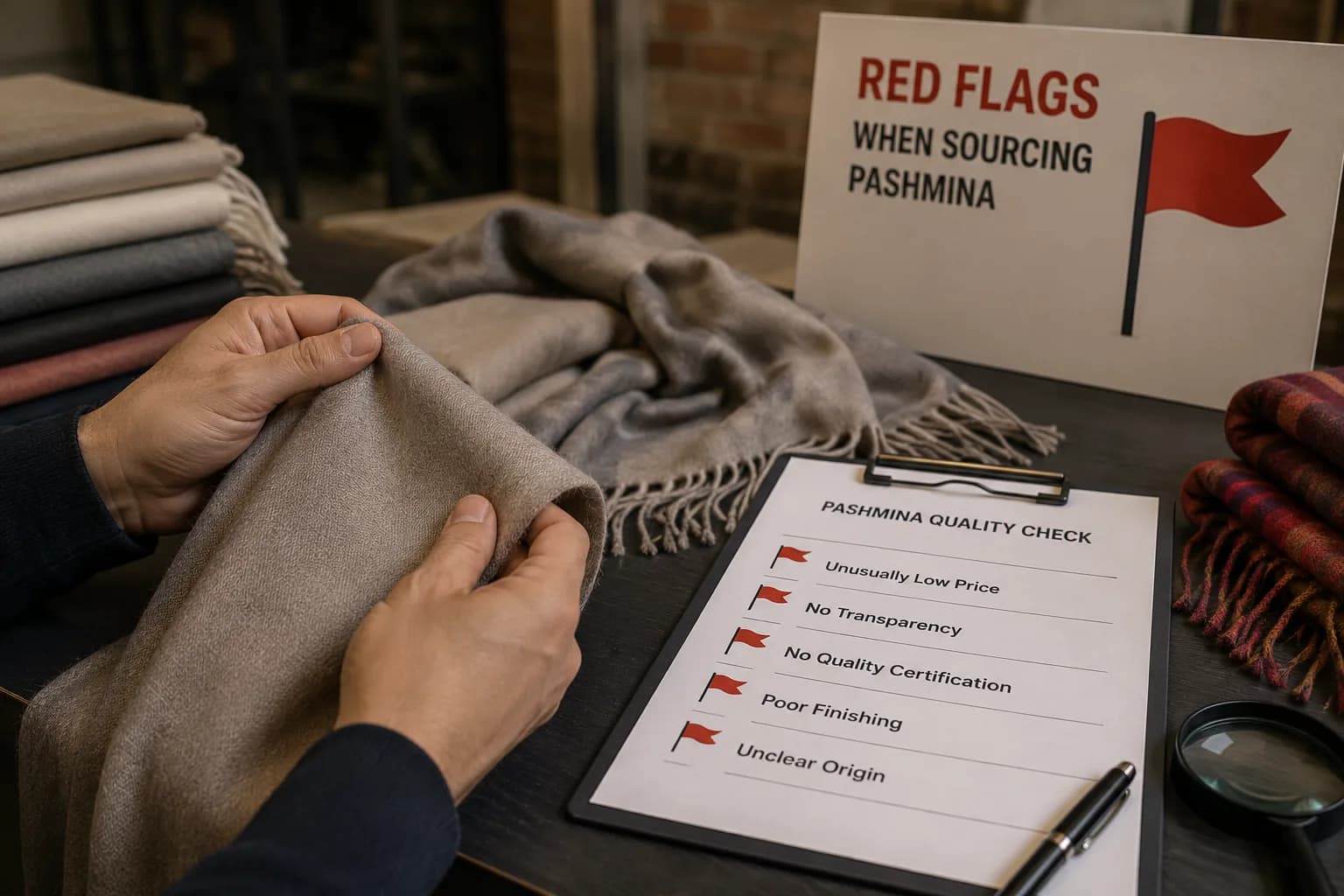
Seconds and defects are common and often hidden. Cracks, especially inside the bowl, kill the tone and can split under mallet use. Patches or re-hammered sections hide repairs. Poorly fitted rims and visible grinding marks indicate rushed finishing. Our inspection checklist covers visual surface check, rim evenness, weight consistency, and a sound test on a representative sample from the batch.
Packing is where singing bowls get damaged. They are heavy, resonant, and fragile to knocks. A proper export pack uses individual wrapping, adequate cushioning, and sturdy cartons with weight-appropriate packing. Bowls damaged in transit, whether dents or cracks, are a leading cause of claims. Verify packing before the container is loaded, and consider a container-loading supervision to see how the cartons are stacked.
If you are sourcing singing bowls from Nepal for resale, the combination of grade specification, sound sampling, and pre-shipment inspection protects your margin. Nepal Trade Solutions sources and inspects singing bowls across the Kathmandu Valley workshops. We verify the manufacturing type, test sound and finish on your behalf, and document the batch with photos and measurements before it ships. Our Singing Bowls QC Manual sets out the exact checks we run.
FREE DOWNLOAD
The Singing Bowls QC Manual
Our full inspection checklist, defect classification, AQL sampling plan, and testing protocols.
Tags