
Back to BlogKaustuv

Empowering Change: Combating Child Labor in the Supply Chain
June 6, 2023 Nepal Trade Solutions
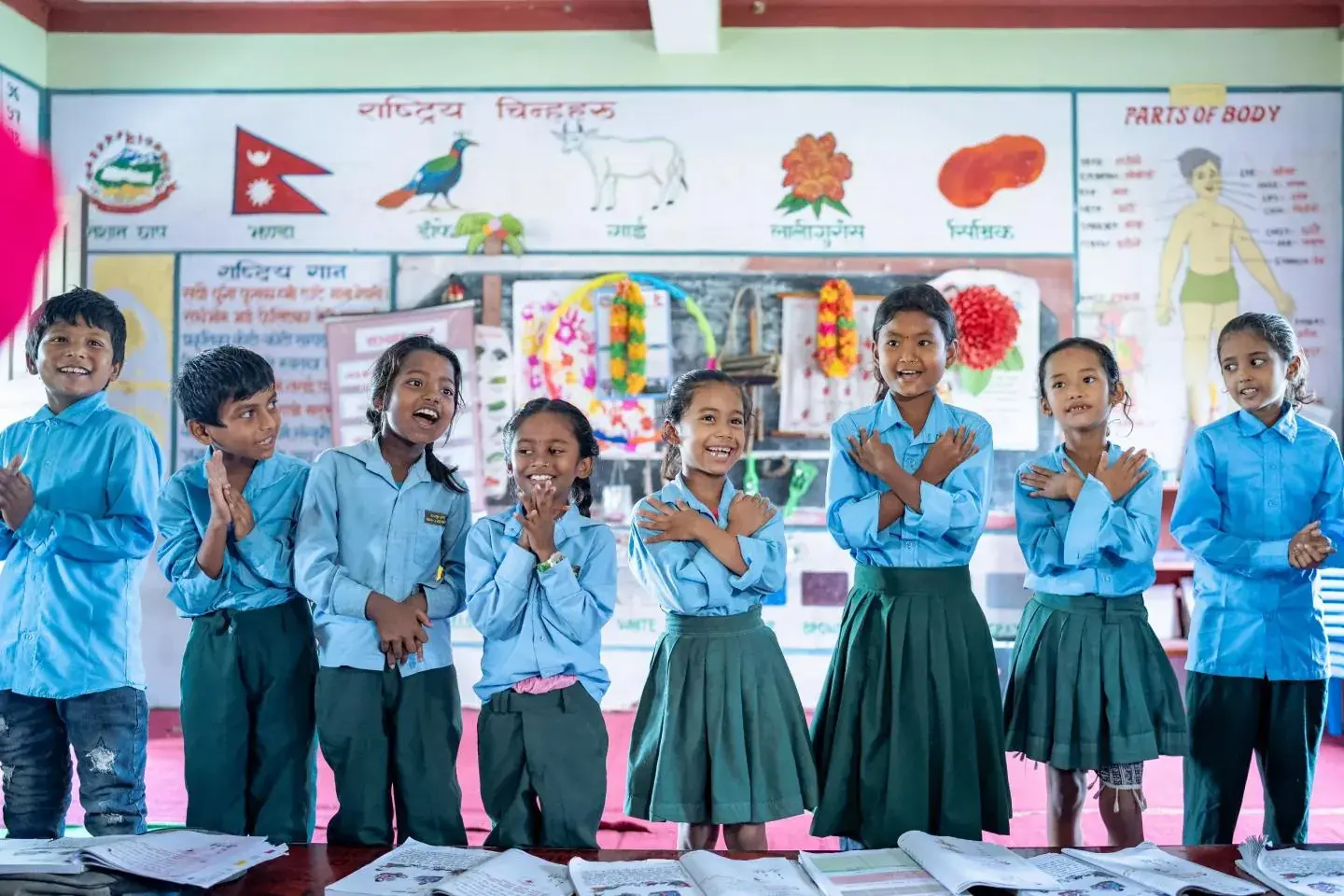
Nepali schoolchildren in a classroom, representing education and hope beyond child labor

Child labor is one of those problems that has been around for a long time, and it still affects millions of kids worldwide. Nepal has made real progress in recent years through tougher regulations, more awareness, and committed industry players, but there is still work to do.

Not long ago, child labor was widespread across Nepal. Kids worked in agriculture, domestic service, construction, brick kilns, and manufacturing. Poverty and lack of access to education were the main drivers. Children were put in situations no kid should ever be in, working in physically and emotionally damaging environments that were completely unsuitable for their age.

The export industry plays a crucial role in Nepal's economy, but child labor remains a concern within this sector. Children are sometimes exploited in carpet weaving, garment manufacturing, and handicraft production where demand for cheap labour persists. It is essential for businesses, both domestic and international, to ensure their supply chains are free from child labour by promoting ethical practices and fair working conditions.

At Nepal Trade Solutions, we maintain a strict zero-tolerance policy for child labor. We partner exclusively with manufacturers who adhere to international labor standards and ethical practices. Every factory in our network undergoes regular audits specifically checking age verification, working conditions, and compliance with Nepal's Labour Act and international conventions.

We recognise that education plays a vital role in breaking the cycle of child labor. Nepal Trade Solutions actively supports initiatives that provide educational opportunities to vulnerable children. By investing in education and vocational training programmes, we empower young individuals and offer them a pathway to a brighter future outside of exploitative labour.

Creating sustainable livelihoods is essential for combating child labor. Through our sourcing practices, we prioritise partnering with local artisans and craftsmen, providing fair wages and safe working conditions. By supporting these skilled workers, we contribute to the growth of local communities and create economic opportunities that remove the need for families to send children to work.

Addressing child labor requires a collective effort. We collaborate with like-minded organisations, NGOs, and industry partners to raise awareness about this issue and drive positive change. By fostering dialogue and sharing best practices, we aim to create a ripple effect that leads to a child labour-free supply chain across Nepal's export industries.

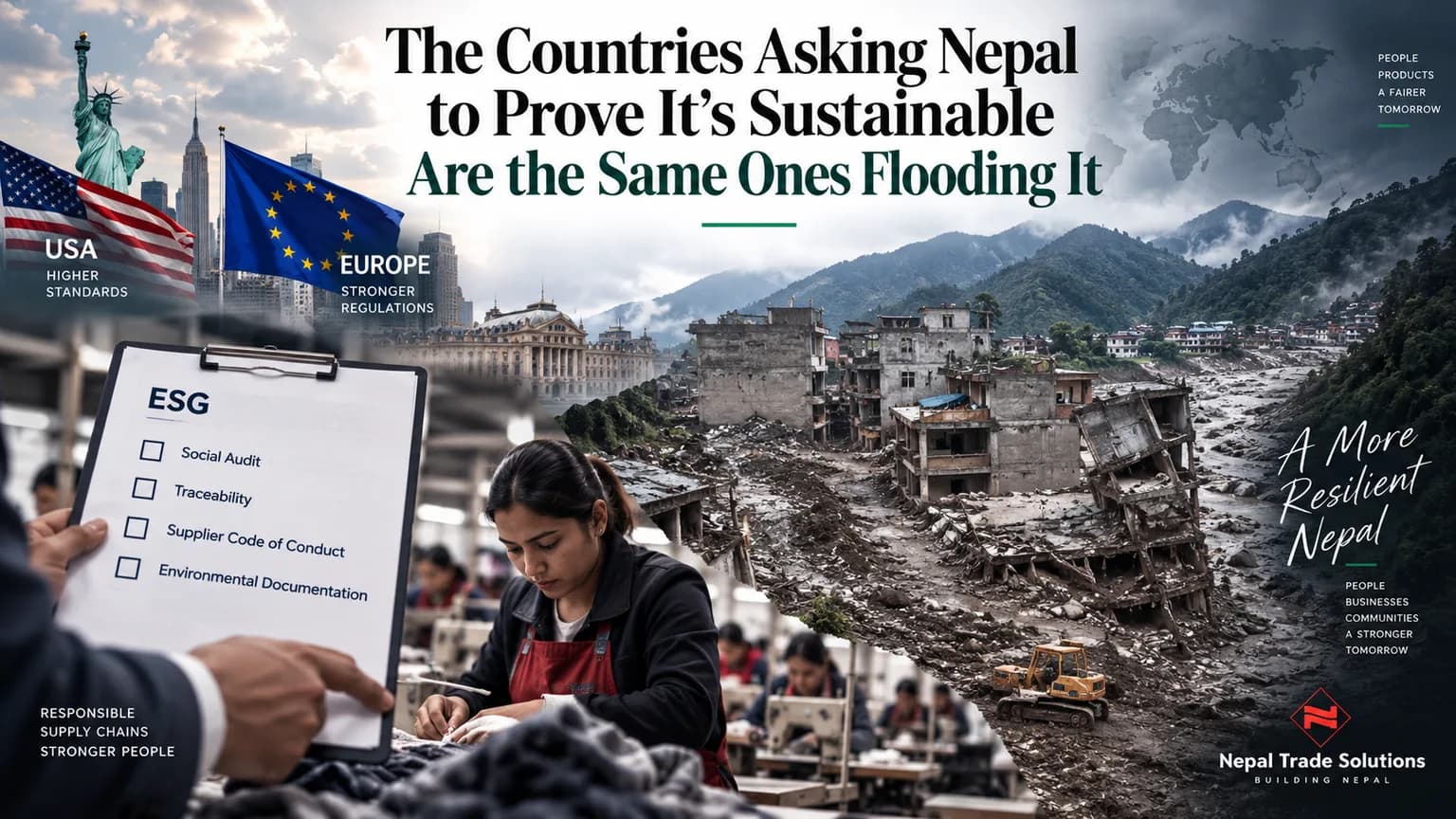
Today's compliance demands go well beyond child labour — they now reach into environmental, traceability, and social-audit requirements that can fall hardest on the smallest workshops. We wrote about what that compliance really costs small Nepali manufacturers, and why accountability must come with support, in ESG compliance and the cost of a fair transition.

Tags

child labor Nepalethical sourcing Nepalethical supply chainchild labor preventionsupplier compliance Nepal

Share this article

Skip to content
Back to BlogKaustuv

Empowering Change: Combating Child Labor in the Supply Chain

June 6, 2023 Nepal Trade Solutions
Nepali schoolchildren in a classroom, representing education and hope beyond child labor

Child labor is one of those problems that has been around for a long time, and it still affects millions of kids worldwide. Nepal has made real progress in recent years through tougher regulations, more awareness, and committed industry players, but there is still work to do.

Not long ago, child labor was widespread across Nepal. Kids worked in agriculture, domestic service, construction, brick kilns, and manufacturing. Poverty and lack of access to education were the main drivers. Children were put in situations no kid should ever be in, working in physically and emotionally damaging environments that were completely unsuitable for their age.

The export industry plays a crucial role in Nepal's economy, but child labor remains a concern within this sector. Children are sometimes exploited in carpet weaving, garment manufacturing, and handicraft production where demand for cheap labour persists. It is essential for businesses, both domestic and international, to ensure their supply chains are free from child labour by promoting ethical practices and fair working conditions.

At Nepal Trade Solutions, we maintain a strict zero-tolerance policy for child labor. We partner exclusively with manufacturers who adhere to international labor standards and ethical practices. Every factory in our network undergoes regular audits specifically checking age verification, working conditions, and compliance with Nepal's Labour Act and international conventions.

We recognise that education plays a vital role in breaking the cycle of child labor. Nepal Trade Solutions actively supports initiatives that provide educational opportunities to vulnerable children. By investing in education and vocational training programmes, we empower young individuals and offer them a pathway to a brighter future outside of exploitative labour.

Creating sustainable livelihoods is essential for combating child labor. Through our sourcing practices, we prioritise partnering with local artisans and craftsmen, providing fair wages and safe working conditions. By supporting these skilled workers, we contribute to the growth of local communities and create economic opportunities that remove the need for families to send children to work.

Addressing child labor requires a collective effort. We collaborate with like-minded organisations, NGOs, and industry partners to raise awareness about this issue and drive positive change. By fostering dialogue and sharing best practices, we aim to create a ripple effect that leads to a child labour-free supply chain across Nepal's export industries.

Today's compliance demands go well beyond child labour — they now reach into environmental, traceability, and social-audit requirements that can fall hardest on the smallest workshops. We wrote about what that compliance really costs small Nepali manufacturers, and why accountability must come with support, in ESG compliance and the cost of a fair transition.

Tags

child labor Nepalethical sourcing Nepalethical supply chainchild labor preventionsupplier compliance Nepal

Share this article